
How Lighting Affects Reproduction
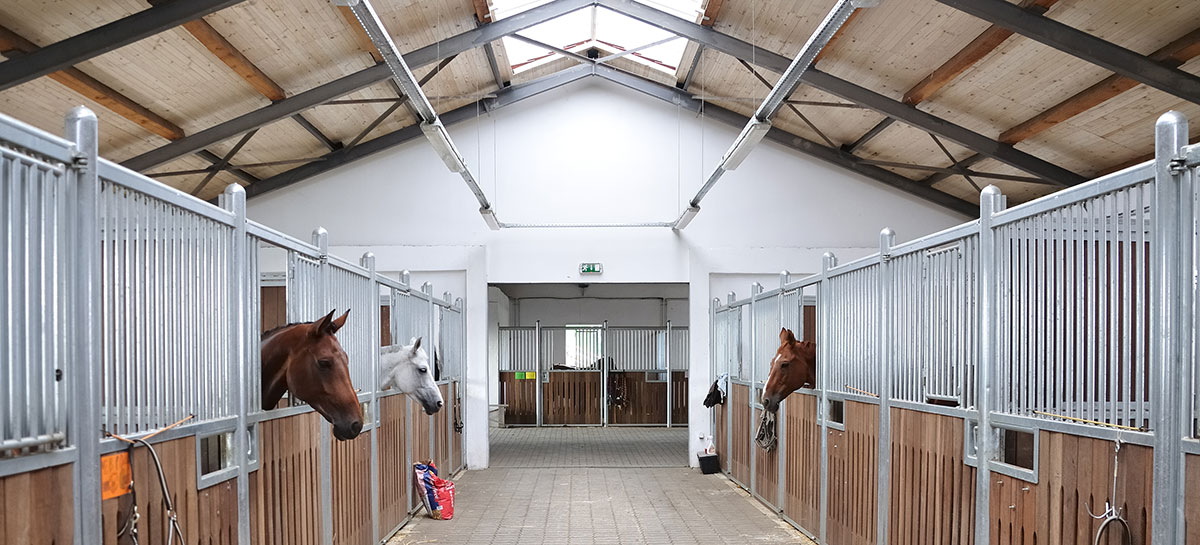
Horses depend on a natural cycle of sunlight to reproduce. During seasonal daylight changes and colder weather, reproductive cycles in the mare grow less consistent, ultimately moving to a period of anestrus which is defined as a lack of estrus or sexual receptivity and fertility in female mammals. Stallions also undergo a low amount of sperm in response to shorter days and less light. Reproduction in both stallions and mares relaxes in the arctic regions through this season of the year and mares will not continue constant estrus (sexual receptivity) periods until around April. Artificial equine lighting can be used to spur a female horse to estrous quicker than normal. Mares need roughly 15 hours of constant light and 8 hours of darkness in order to maintain reproductive abilities. When Light enters the animal’s eye it suppresses the release of melatonin thus enabling the continuation of hormones to be released from the of the brain.
Daylight savings time delivers this part of the northern hemisphere with roughly ten or fewer hours of daylight. The use of artificial stall lighting or pastures can be used to limit the release of melatonin and excite release of hormones. Photostimulation is the use of artificial light to stimulate organic cells, tissues, and organisms. The light emitted from 10-foot candles is adequate for photostimulation. Try reading a newspaper in a stall. You should not be straining to read. Try to avoid dark spots where the mare stays in shady areas. Light meters are a good tool to use for a more specific measurement. Horses generally require 60 to 90 days of photostimulation before the resumption of the first estrous cycle of the season.
Lighting and Seasonal Hair Growth
Winter coat thickness can vary greatly from breed to breed but the biggest factor triggering a horses winter coat is the declining amount of light due to shorter fall days. As these days become shorter, the reduction of light causes the horses to begin more production of melatonin, which promotes additional coat growth. Horses in the north with shorter days produce more melatonin. The result of this is that most horses naturally grow a coat that is suitable for their climate.
Some owners choose to keep horses under artificial lighting for coat and hair control. This can be done to slow the growth of winter coats. Slowing the growth of the winter coat allows for less clipping which can be difficult with a horse with a short temperament. Shedding in horses is controlled by photoperiods (the period of time each day during which an organism receives illumination; day length). Light receptors in a horse’s eyes relay changes in daylight length to the pineal gland in his brain, which produces melatonin. Light receptors in a horse’s eyes relay changes in daylight length to the pineal gland in his brain, which produces melatonin.
As you can see lighting and melatonin are go hand in hand when thinking about generating a healthy horse coat. A horse’s coat plays another important role it’s a good indicator of his overall health. Regular grooming is always a best practice and a good time to make sure your horse is healthy and all is well.



Comments are closed.