
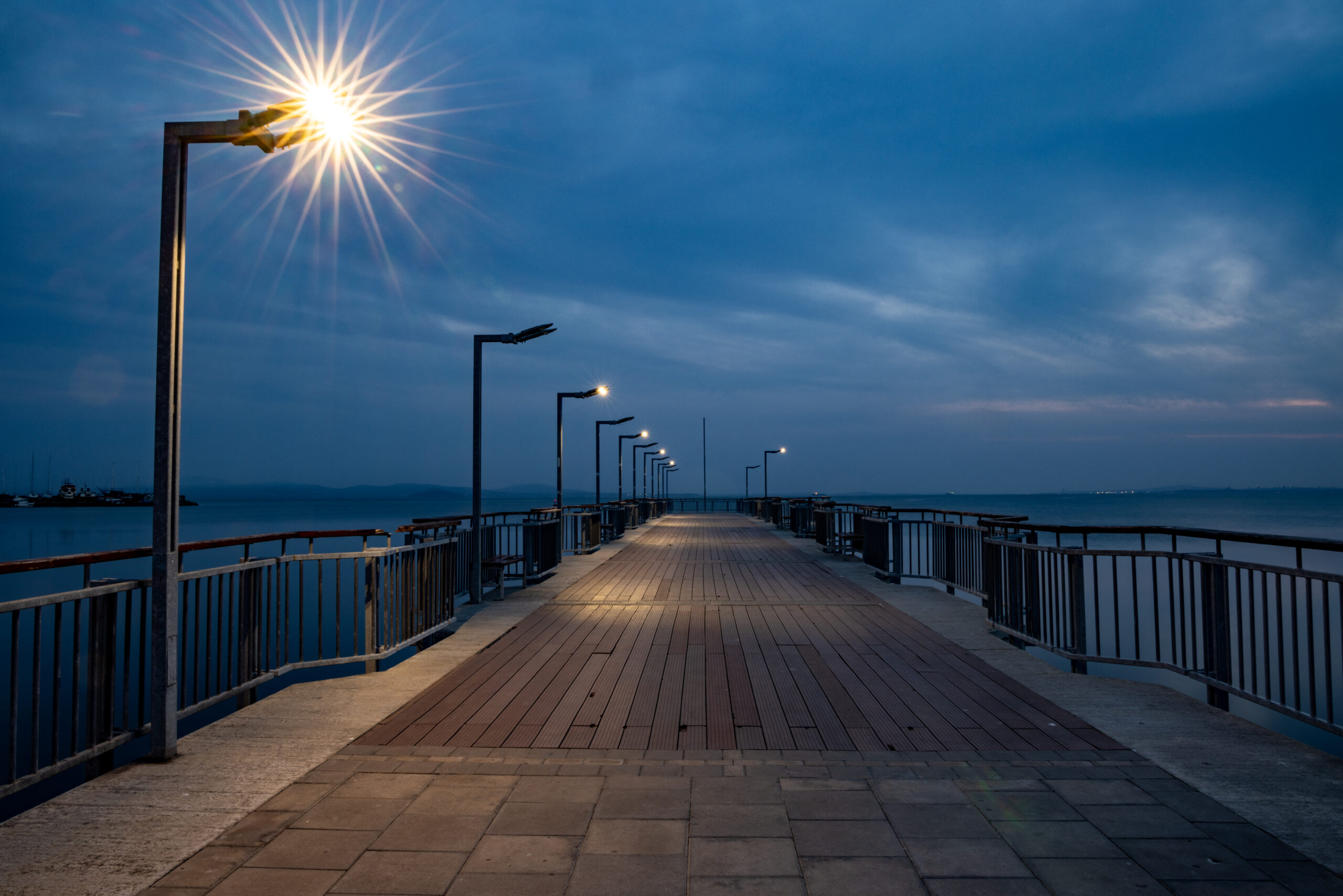
Outdoor lighting for commercial and industrial facilities does more than simply illuminate the night. It shapes how we interact with spaces after dark—whether we’re walking through a city park, navigating a parking lot, or dining on a cozy patio. When thoughtfully designed and implemented, effective outdoor lighting enhances safety, improves security, supports functionality, and creates ambiance. Here’s a closer look at why it’s so important.
Why Effective Outdoor Lighting Matters: Safety, Security, and Beyond
One of the most immediate benefits of outdoor lighting for commercial and industrial facilities is improved safety. Poorly lit areas can be hazardous, especially where stairs, walkways, or uneven terrain are involved. Proper illumination helps people see where they’re going, reducing the risk of trips, slips, and falls. In public spaces—like sidewalks, parks, or parking lots—this is especially critical. Good lighting ensures that these areas remain accessible and hazard-free, even after sunset or during adverse weather conditions.
Outdoor lighting also plays a crucial role in security. Criminal activity is often deterred by visibility. Well-lit areas are less attractive to thieves, vandals, and trespassers, as the chances of being seen or caught increase dramatically. In addition, strategic lighting enhances the effectiveness of security cameras and patrols. Whether for residential neighborhoods or commercial properties, effective lighting helps keep people and property safe.
Why limit outdoor activities to daylight hours? With the right lighting, outdoor spaces can be functional and enjoyable well into the night. This includes:
- Parks and recreational areas for evening strolls or sports.
- Restaurants and patios that offer nighttime dining.
- Business exteriors that operate past sundown.
Lighting transforms these environments, making them both practical and inviting, no matter the time of day.
Beyond function and safety, outdoor lighting adds to the visual appeal of a space. Thoughtfully placed lights can highlight architectural details, garden features, and pathways, dramatically improving the look and feel of a property. Whether you want to create a warm, welcoming entryway or a dramatic garden landscape, outdoor lighting offers countless opportunities to enhance mood and ambiance.
Modern outdoor lighting isn’t just effective—it can be smart and sustainable, too. Efficient outdoor lighting is better for the planet and can significantly reduce utility bills over time. Today’s best practices include:
- Using LED fixtures, which consume far less energy than traditional bulbs.
- Incorporating motion sensors and timers to avoid unnecessary energy use.
- Designing with Dark-Sky principles, which reduce glare and light pollution while protecting natural nightscapes.
With the rise of LED technology, facility managers have more choices than ever, but also more complexity. Not all LED lights are created equal, and different facility zones have unique needs. Here’s a comprehensive guide to choosing the right LED lighting types for specific facility areas, whether you’re upgrading an existing space or planning a new installation.
1. Warehouses & Distribution Centers
Best LED Lighting:
- High Bay Lights (UFO or linear style) – Ideal for high ceilings (15+ ft).
- Motion Sensor High Bays – Great for conserving energy in low-traffic aisles.
Why It Matters:
These large, open spaces require strong, uniform lighting to support inventory management, logistics, and forklift operation. High bay LEDs offer powerful output with excellent energy efficiency and minimal maintenance.
2. Loading Docks & Exterior Bays
Best LED Lighting:
- Wall Packs – Mounted on building exteriors to light up dock areas.
- Floodlights – Cover large zones like trailer lots or vehicle bays.
- Canopy Lights – Best for covered drive-through or loading zones.
Why It Matters:
Visibility is critical for safe loading/unloading. Outdoor-rated LEDs with high durability and motion sensors ensure dependable performance, even in rough weather.
3. Office & Administrative Areas
Best LED Lighting:
- LED Troffers – Fit seamlessly into standard ceiling grids.
- LED Panel Lights – Sleek, modern, and energy-efficient.
- LED Downlights – Great for hallways, lobbies, and break rooms.
Why It Matters:
Employees need bright, low-glare light to stay focused and productive. LEDs with color temperatures between 4000K–5000K create an alert, natural environment perfect for office work.
4. Restrooms & Break Rooms
Best LED Lighting:
- LED Vapor Tight Fixtures – For areas with frequent moisture or water exposure.
- Damp-rated Wraparounds or Panels – Handle steam and humidity.
Why It Matters:
Increased moisture demands lighting that’s both safe and reliable. Damp-rated LEDs prevent corrosion and electrical issues while maintaining visual clarity.
5. Workshops & Maintenance Bays
Best LED Lighting:
- Linear Strip Lights – Perfect for detailed work at benches.
- High Output Fixtures – Ideal for overhead lighting in vehicle or machine service areas.
Why It Matters:
Maintenance and repair tasks require bright, focused lighting. Strip lights with protective wire guards offer safety, while high-output overheads provide full-room visibility.
6. Parking Lots & Outdoor Areas
Best LED Lighting:
- Shoebox Fixtures (Pole-mounted area lights)
- Floodlights – Illuminate perimeters, signage, and access points.
Why It Matters:
Exterior lighting enhances both security and safety for vehicles and pedestrians. Use photocells, outdoor motion sensors, and dark-sky compliant designs to reduce energy use and light pollution.
7. Security & Surveillance Zones
Best LED Lighting:
- Directional Floodlights – Minimize shadows and improve camera visibility.
- Motion-Activated Wall Packs – Light up only when needed to conserve energy.
Why It Matters:
Security lighting should leave no dark corners. The right LED setup helps prevent incidents and supports effective video surveillance.
8. Emergency Exits & Egress Pathways
Best LED Lighting:
- Exit Signs with Battery Backup
- Emergency Egress Fixtures – Ceiling or wall-mounted with automatic activation.
Why It Matters:
These fixtures are critical for safety and code compliance. LED exit and emergency lights ensure visibility during power outages or fire alarms.
💡 PRO Tip: Use Smart Lighting Controls
To optimize energy use and lighting performance, integrate smart controls such as:
- Occupancy and motion sensors
- Daylight harvesting
- Zone dimming and scheduling
- Wireless lighting systems
These features allow for real-time lighting adjustments based on use and occupancy, cutting costs and improving sustainability.
Planning & Regulatory Considerations
Before installing or upgrading LED lighting across a commercial or industrial facility, careful planning and compliance with regulations are crucial. Each lighting project should begin with a thorough assessment of the site’s unique needs—including ceiling heights, layout, hours of operation, and traffic flow. It’s also important to consider how lighting interacts with existing HVAC systems, skylights, and occupancy patterns to avoid over-lighting or wasted energy.
From a regulatory standpoint, you’ll need to ensure your lighting design meets all relevant local building codes, fire safety regulations, and energy efficiency standards. In many regions, this includes compliance with codes like:
- ASHRAE 90.1 (Energy Standard for Buildings Except Low-Rise Residential Buildings)
- IES (Illuminating Engineering Society) guidelines
- Local zoning laws related to light trespass and dark-sky ordinances
- OSHA lighting requirements for workplace safety
Some municipalities and utility providers may also offer rebates or incentives for upgrading to energy-efficient LED systems that meet specific criteria. Be sure to factor this into your budget and ROI calculations.
Partnering with a certified lighting designer or consultant can help streamline the planning process, ensure code compliance, and optimize the long-term performance of your lighting system.
Choosing the right LED lighting for your facility isn’t one-size-fits-all. From warehouses to offices and outdoor lots, each area has its own requirements. By selecting purpose-built LED solutions, you not only improve safety and performance—you also enhance efficiency and reduce long-term maintenance.
Whether you’re outfitting a new facility or retrofitting an old one, investing in the right lighting is one of the smartest moves you can make. Ready to get started? Explore our outdoor lighting products today and apply for a PROLIGHTING trade account to access exclusive deals.



Comments are closed.