
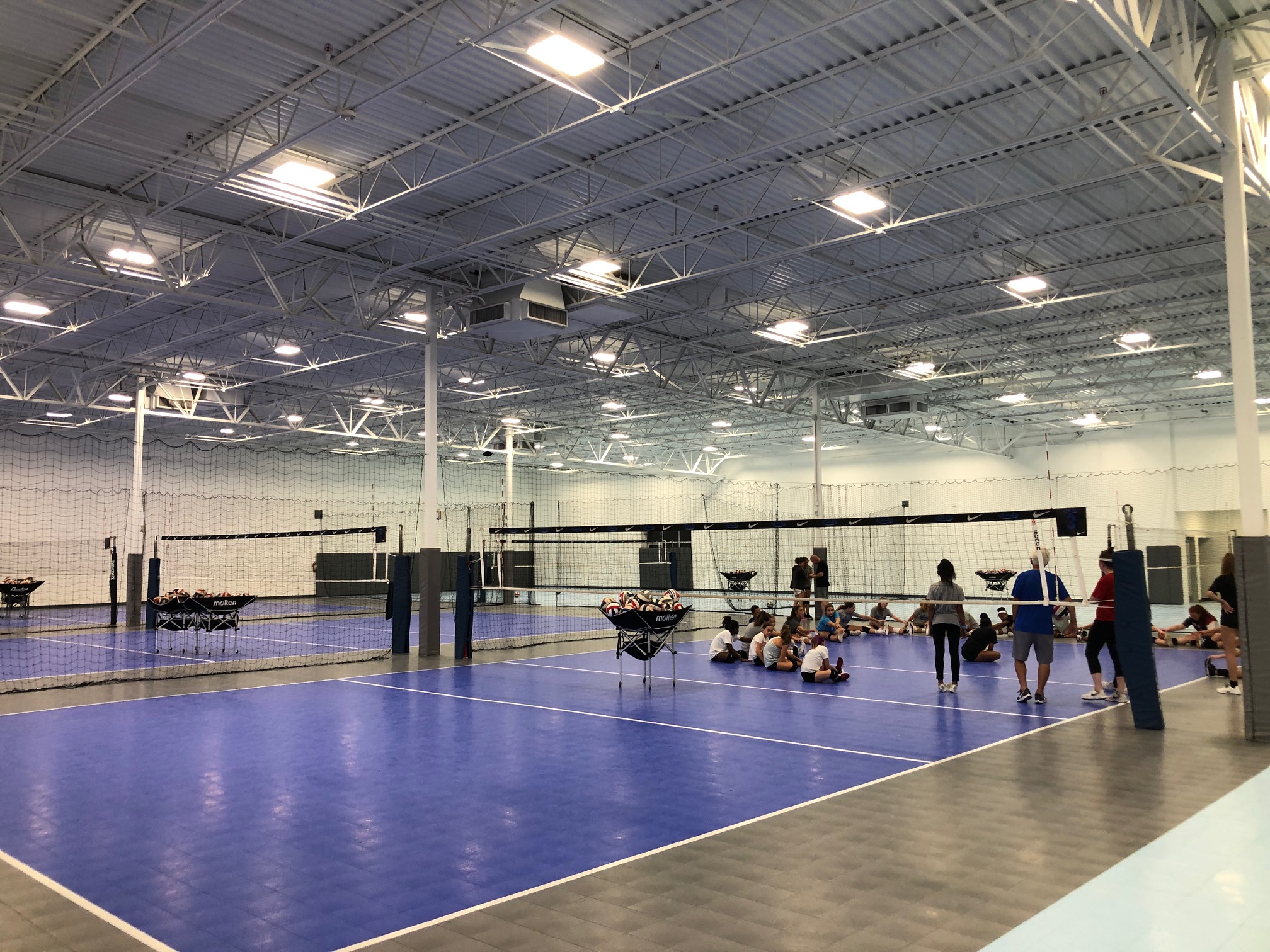
LED high bay fixtures are an essential lighting solution for warehouses, factories, gyms, retail stores, and other large spaces with high ceilings. They offer superior brightness, energy efficiency, and long lifespans compared to traditional lighting. But with so many options available, how do you choose the right LED high bay lighting for your space? Our LED high bay lighting buyer’s guide will walk you through the key factors to consider before making a purchase.
What is LED High Bay Lighting?
LED high bay lights are powerful fixtures designed to illuminate spaces with ceiling heights of 15 feet or more. They provide even light distribution across large areas, improving visibility, safety, and efficiency. Compared to traditional metal halide or fluorescent high bay lights, LEDs consume less power, last longer, and require minimal maintenance—making them the most cost-effective choice in the long run.
One of the biggest draws of LEDs is the exceptional light quality they offer. Light quality is determined by measuring the color rendering index (CRI), correlated color temperatures (CCT) and the foot candle of a light source. By all measures, LEDs outperform conventional light sources. They are able to reflect object colors faithfully (CRI) while offering versatility in color “temperature” (CCT) and impressive light efficiency (foot candle). In addition to this, LEDs are almost instantly on, as opposed to their traditional lighting counterparts, which can take as long as thirty minutes to reach full brightness.
Key Factors to Consider When Buying LED High Bay Lights
1. Lumens & Brightness – How Much Light Do You Need?
Instead of focusing on wattage, look at lumens—which measure the actual brightness of the light. Since LEDs are more efficient, they produce more lumens per watt.
Recommended Lumens Based on Ceiling Height:
| Ceiling Height | Ideal Lumen Output | High Bay Spacing |
|---|---|---|
| 20-30 feet | 22,000-35,000 lumens | 15-25 feet |
| 31-40 feet | 35,000-47,000 lumens | 19-29 feet |
| 40+ feet | 47,000+ lumens | 30-40 feet |
Designing a Warehouse Lighting Layout
As you begin outfitting your space with high bay LED light fixtures, the first step is figuring out what type and how many high bays you will need. To do this, you will need to consider the size of the space that you’re lighting, how tall the ceilings are, and how you will be using the space. Different purposes will require different lighting styles.
- Warehouses — Ample light is needed to see the items in the warehouse and to keep employees safe.
- Retail stores — A brighter environment will allow customers to see your products better and make the space feel clean (and safe).
- Sports arenas — Lighting standards for sports arenas are set by the governing bodies for each sport (associations, federations, etc.). Depending on the class level for your sports arena, your lighting needs will vary.
💡 PRO Tip: Look for high-lumen-per-watt (lm/W) ratings (e.g., 130 lm/W or higher) to maximize efficiency.
2. Wattage – Energy Efficiency Matters
Since LEDs provide higher lumens with lower wattage, they save energy compared to traditional lighting. Here’s a rough wattage comparison:
| LED Wattage | Equivalent HID Wattage |
|---|---|
| 100W | 250W HID |
| 150W | 400W HID |
| 200W | 600W HID |
| 300W | 1000W HID |
💡 By switching to LED high bay lights, you can cut energy costs by up to 75%.
3. What are the Different Types of LED High Bays?
High bay LED light fixtures are available in many shapes and sizes, each offering different light qualities and coverage to suit your needs. The type of high bay lights you opt for will depend on your specific space and purpose. High bay LED light fixtures provide different beam angles, allowing you to select the optimal light shape to best illuminate your space. Here are some of the most popular high bay LED light fixture styles.
Round (UFO) High Bay Fixtures
Commonly called UFO high bays because of their saucer-like shape, round LED high bay lights have only one contact point with the ceiling, making them the easiest high bays to install. Round high bay LED lights typically provide a circular light beam angle of about 120 degrees. This fairly large beam spread allows for widespread, but powerful, illumination. These are an excellent choice for open areas, like factories, warehouses, sports arenas, and grocery and wholesale retailers.
– Compact and powerful.
– Ideal for warehouses, workshops, and open spaces.
– Easier to install and maintain.

Linear High Bay Fixtures
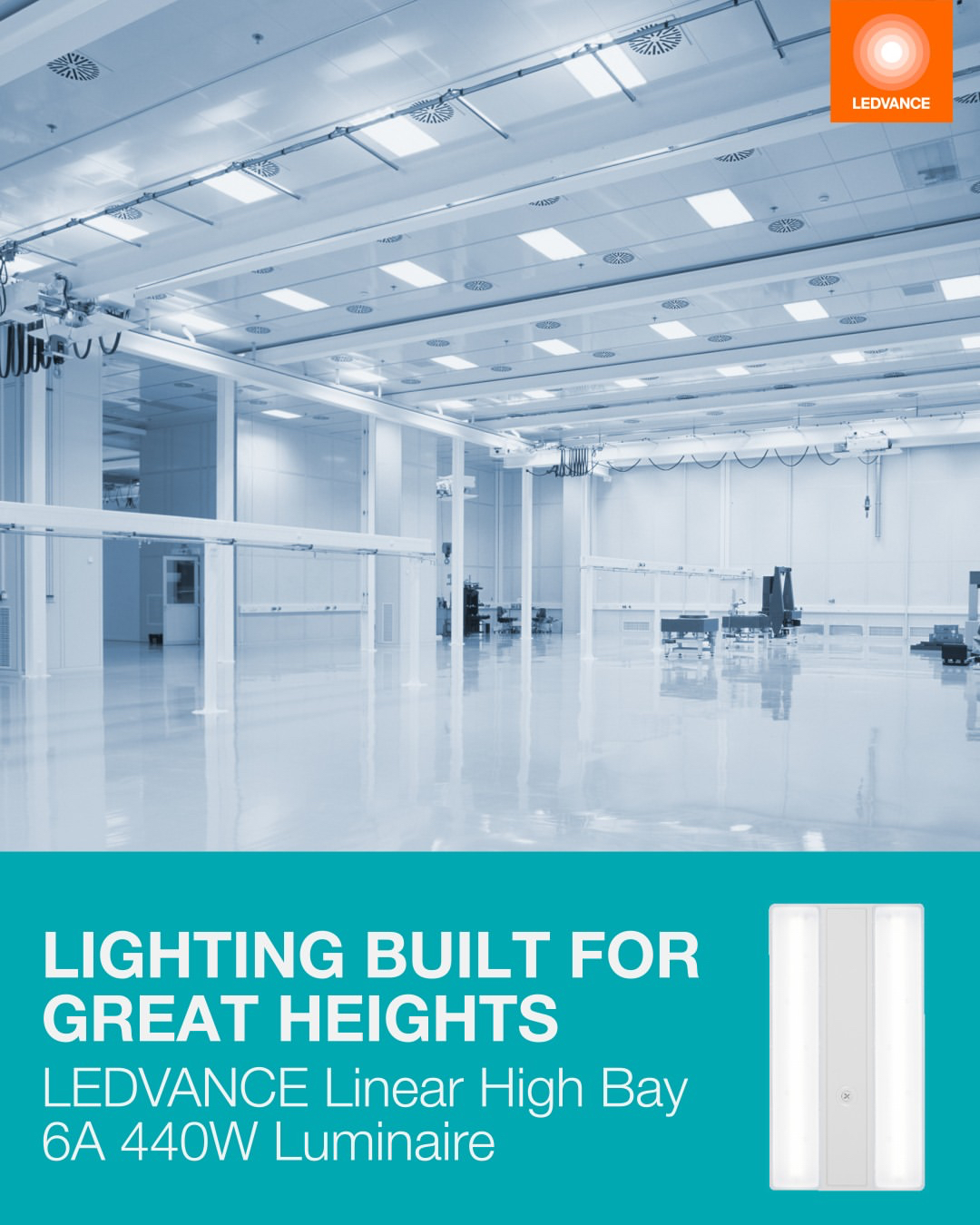
Linear high bay lights are commonly seen in grocery stores, wholesale retailers, warehouses and any other wide-open spaces with a lot of aisles or shelving. They provide ideal lighting for conference halls, event centers and fitness centers, too. Similar in appearance to a fluorescent T8, linear high bays are long, with varying widths to offer rectangular illumination to suit your space’s needs. They can be mounted directly to the ceiling or hung with chains or cables, depending on your needs.
– Provide even lighting over aisles, retail stores, and assembly lines.
– Best for longer, rectangular spaces.
High Bay Vapor Tight Fixtures
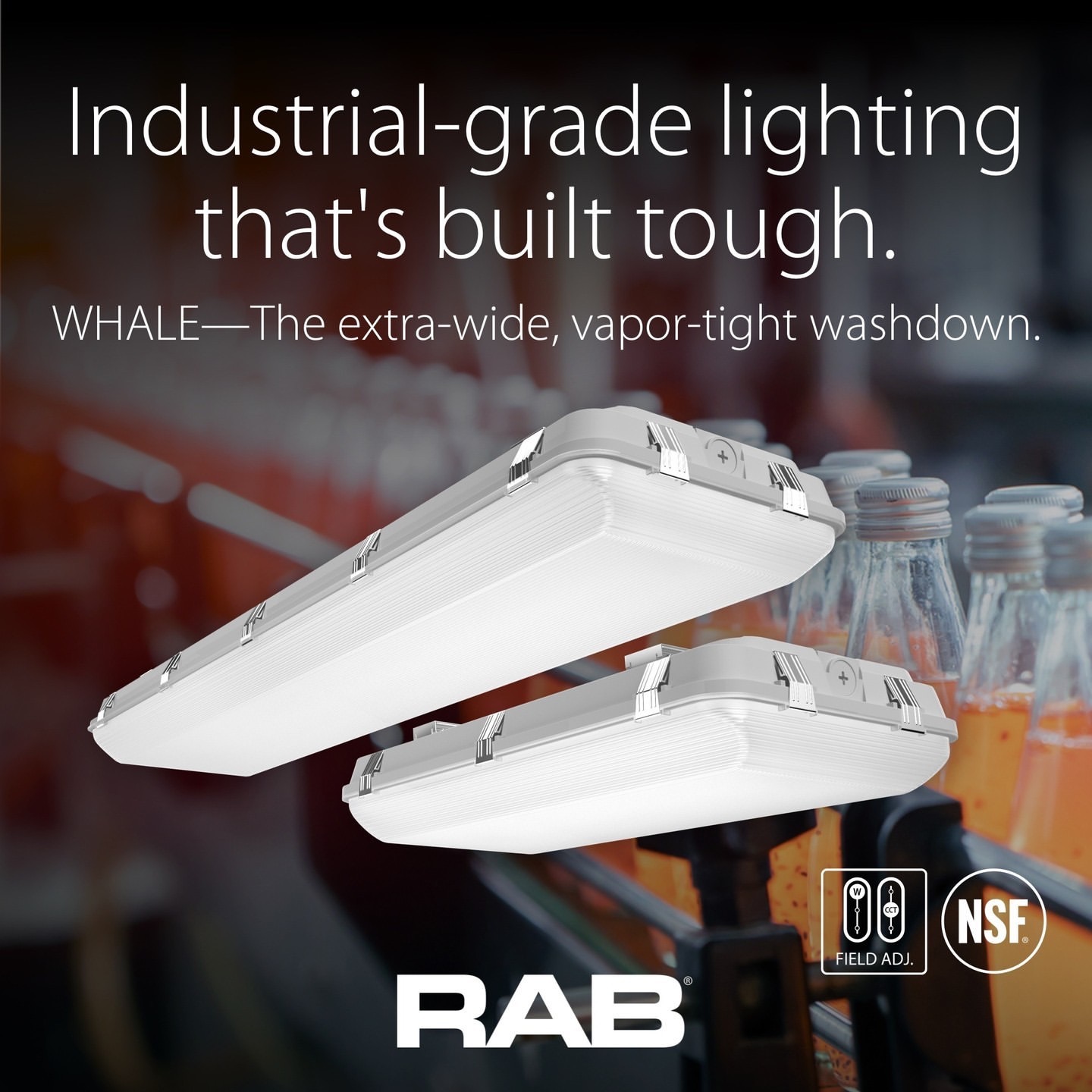
Sealed and gasketed to protect their internal parts from fumes, dust, moisture, rust and corrosion, LED high bay vapor tight fixtures are commonly used in locations that see a lot of dirt or moisture. In fact, because they are sealed to block out moisture and particulates, they are easily cleaned with a hose or pressure washer. They are typically linear in form, available in 2-, 4- and 8-foot lengths. LED high bay vapor tight fixtures are often installed in car washes, parking garages, industrial kitchens, food processing plants, and spray down bays.
– Ideal for demanding environments where moisture, dust, or harsh conditions are a concern.
– Can operate in extreme hot or cold temperatures.
4. Color Temperature (Kelvin Rating) – Choosing the Right Temperature
The Kelvin (K) rating determines how “warm”, “neutral”, or “cool” the light appears. Color temperature plays a crucial role in creating the right environment for your facility. Here’s a breakdown to help you decide:
- 3000K (Warm White) – Best for spaces like employee break rooms or low-intensity work environments. This warmer light creates a calmer atmosphere.
- 3500K (Neutral White) – Creates a comfortable and inviting atmosphere without being overly warm or cool. Ideal in hospital facilities where it provides a clean and sterile environment while still maintaining a sense of comfort. Also promotes alertness and focus in classrooms and libraries.
- 4000K (Cool White) – Balanced, softer light ideal for general purpose. It’s great for reducing eye strain and increasing productivity in environments like offices, warehouses, and assembly areas.
- 5000K (Daylight White) – Perfect for areas requiring high visibility, such as inspection zones, retail spaces, or warehouses.
💡 When choosing color temperatures, think about how the lighting will affect the functionality of your space.
5. Mounting Options – How Will You Install Them?
- Chain or Hook Mounting – Allows height adjustment; flexible for different applications.
- Pendant Mounting – Provides a sleek, fixed installation.
- Surface or Bracket Mounting – Ideal for low-profile applications.
💡 PRO Tip: Check the fixture’s mounting options before purchasing to ensure it fits your space.
6. Dimmable & Smart Features – Optimize Energy Savings
Many LED high bay lights now come with advanced features like:
– Dimming Capabilities – Adjust brightness to save energy when full power isn’t needed.
– Motion Sensors – Lights turn on/off based on movement, reducing unnecessary energy use.
– Smart Controls – Use Wi-Fi or Bluetooth for remote control and scheduling.
💡 Best Choice: Motion sensors and dimmable LEDs can reduce energy costs by up to 50%.
7. Durability & Certifications – Ensuring Quality
To ensure your LED high bay lights are reliable and efficient, look for these certifications:
- DLC (DesignLights Consortium) Certified – Ensures energy efficiency (may qualify for rebates).
- UL Listed – Verifies safety and performance standards.
- IP Rating – Protects against dust and water (e.g., IP65 for damp locations).
💡 PRO Tip: If your space has high humidity or dust, choose IP65-rated fixtures.
8. Budget & ROI – Consider the Long-Term Savings
While LED high bay lights have a higher upfront cost than traditional options, they pay for themselves through:
– Lower electricity bills (up to 75% savings)
– Longer lifespan (50,000+ hours) = fewer replacements
– Less maintenance and downtime
One of the most important reasons to use LED high bay lighting is the significant energy savings it offers. LEDs use 60-80% less energy compared to traditional lighting options like HID. This stems from two key factors:
- Minimal Energy Waste: Unlike traditional fixtures that lose a large portion of energy to heat, LEDs convert nearly all their energy into usable light, making them far more efficient.
- Targeted Light Distribution: LEDs are designed to direct light precisely where it’s needed, reducing wasted light on ceilings or other non-essential areas like traditional lights do.
These energy savings translate directly into lower electricity bills, especially in facilities that operate lights for long hours. For businesses, this means significant cost reductions over time.
💡 PRO Tip: Calculate your ROI by comparing LED energy savings vs. traditional high bay lighting.
By following these guidelines, you’ll get the best LED high bay lighting for your space—improving visibility, efficiency, and overall workspace safety.
💡 Need product recommendations? At PROLIGHTING, we pride ourselves on supplying only the best high bay fixtures manufactured by the most trusted brand including RAB, Sylvania, and Keystone. Our certified lighting experts know how important reliable lighting is and will help you select the the best LED high bay lighting based on your unique application.


Comments are closed.