
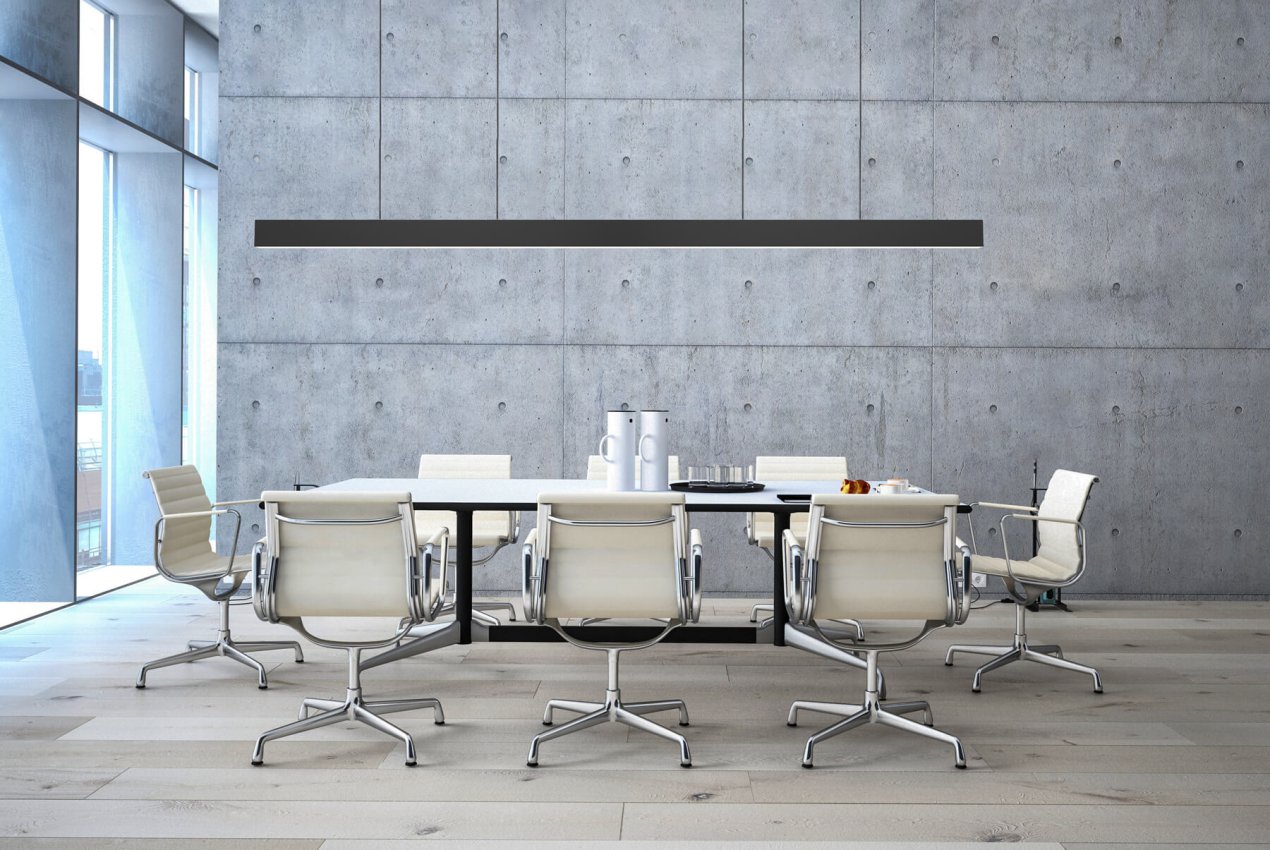
Workplace lighting can influence employee comfort, focus, alertness, and how effectively different areas of an office are used. Good lighting design goes beyond simply making a space bright—it considers light levels, glare, color temperature, daylight, controls, and the different visual needs of employees throughout the workday.
In this guide, we’ll look at seven ways thoughtful workplace lighting can support productivity, from reducing visual discomfort and improving task visibility to creating flexible spaces for focused work, meetings, and collaboration.
1. Workplace Lighting and Cognitive Function
Lighting is not just about visibility; it affects the way our brains function. The quality, intensity, and color temperature of the light can have significant effects on mood, alertness, and focus, all of which contribute to productivity. Expert lighting solutions take into account these factors to create an environment that supports the cognitive demands of the workspace.
Daylight can be an important part of workplace lighting design. Research has associated greater daytime light exposure in office environments with outcomes such as improved sleep quality and mood, while other studies have reported benefits related to cognitive performance. When adequate daylight isn’t available, well-designed electric lighting can help provide appropriate light levels and support time-of-day lighting strategies.
2. Reduce Eye Strain and Fatigue with Better Lighting
Inadequate lighting is one of the leading causes of eye strain, headaches, and fatigue in office environments. This is particularly common in spaces with harsh overhead fluorescent lights or dim, inconsistent lighting. When employees are subjected to improper lighting, they often struggle to read documents, view computer screens, or even move around the space comfortably, which can lead to decreased efficiency and increased discomfort.
Expert lighting solutions focus on achieving a balanced, even distribution of light, which reduces glare and minimizes shadows. Task lighting—such as adjustable desk lamps or well-placed overhead fixtures—can help employees focus on specific tasks without straining their eyes. This reduction in visual discomfort enables employees to work for longer periods without experiencing fatigue, ultimately improving productivity.
3. Create a More Inviting Workplace
Lighting plays a key role in setting the mood of a space, and an inviting, well-lit workspace can have a positive impact on employees’ motivation and creativity. Expert lighting design considers both the functionality and aesthetics of a space, ensuring that the lighting not only enhances visibility but also complements the overall design of the workspace.
For example, warm lighting tones can create a cozy and welcoming atmosphere, while cooler lighting can help boost alertness and focus. Lighting can be used to highlight certain areas of the office, such as break zones or collaborative spaces, encouraging employees to take breaks and engage in creative brainstorming sessions. In contrast, focused task lighting in individual workstations supports concentration during deep work periods.
4. Lighting for Different Office Work Zones
No two tasks in an office require the same type of lighting. Whether it’s a brainstorming session, a client meeting, or deep focus work, the office lighting needs will vary. Expert lighting design takes into account the specific requirements of different work zones and tailors lighting to suit these needs.
For instance, meeting rooms may benefit from soft, diffused lighting that promotes relaxed yet engaged discussions. On the other hand, individual workstations may require brighter, more focused light that supports precision work, such as writing, designing, or programming. In collaborative areas, adjustable lighting can encourage group interaction while keeping the space bright and energizing.
With expert lighting systems, it’s possible to have customizable lighting setups, allowing employees to adjust the light based on the specific task they are working on. This level of flexibility ensures that each space is optimized for productivity and comfort.
5. Workplace Lighting and Employee Well-Being
Workplace stress is a major contributor to employee burnout and decreased productivity. Lighting plays a surprisingly significant role in mitigating stress levels. Natural light, in particular, has been linked to better mental health, lower stress levels, and improved overall well-being. In spaces where natural light is limited, high-quality artificial lighting can help to simulate the effect of daylight and create a more pleasant atmosphere.
By using lighting that reduces the strain on eyes and supports the body’s natural circadian rhythm, businesses can create an environment that encourages relaxation and focus. Well-lit workspaces with the right lighting levels and temperature can help employees feel more balanced, energized, and less stressed.
6. Lighting for Collaboration and Communication
Effective collaboration is at the heart of many businesses’ success. Expert lighting can influence how teams interact with one another. Bright, evenly distributed light can foster open, collaborative spaces by making the environment feel more open and welcoming. By creating spaces where everyone can see and engage with one another comfortably, lighting enhances communication and cooperation.
Smart lighting solutions, like those that adjust based on occupancy, can also help in collaborative settings by making sure spaces are adequately lit when needed and conserving energy when not in use. Lighting design can be tailored to provide adequate light for meetings, presentations, or team-building activities, ensuring that the lighting supports communication and collaboration at all times.
7. Adjustable and Smart Workplace Lighting
Workspaces today demand flexibility. The same office might need to cater to a wide variety of activities, from individual focused tasks to group collaboration. Expert lighting systems often include adjustable settings that allow users to customize the light based on their immediate needs.
For instance, some modern lighting systems allow workers to change the brightness and color temperature of the lights with the press of a button or via an app. This ability to adapt the lighting to different situations not only boosts comfort but also empowers employees to take control of their work environment. The result is a workspace that is more dynamic and supportive of various work styles and tasks.
Expert lighting has the power to significantly impact business productivity by improving employee focus, comfort, and well-being. By creating an environment that is tailored to the needs of the people working within it, lighting becomes a key tool in boosting efficiency and fostering a positive, motivating atmosphere.
Investing in high-quality, well-designed lighting solutions not only helps reduce energy consumption and costs, but it also elevates the entire workplace experience. Whether it’s enhancing cognitive function, reducing eye strain, or creating an inviting space for collaboration, expert lighting is one of the simplest yet most effective ways to improve productivity and transform your workspace into a hub of creativity, focus, and success.




Comments are closed.