Shopping Cart
Subtotal:
You Have No Items In Your Shopping Cart.
Loading...
Checkout using your account
Checkout as a new customer
Creating an account has many benefits:
- See order and shipping status
- Track order history
- Check out faster


Landscape Lighting
Landscape lighting extends how a property looks and functions after the sun goes down, highlighting architecture, guiding foot traffic safely, and adding depth to plantings and hardscaping. Most residential and light commercial installs run on a low voltage landscape lighting system, which keeps installation simple and safe without requiring an electrician for most layouts.
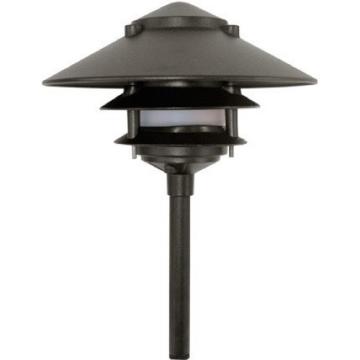
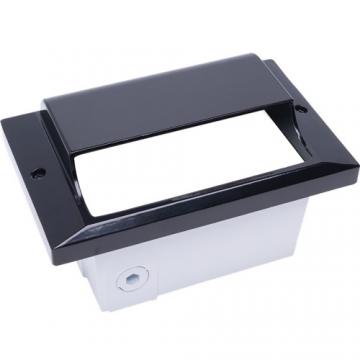
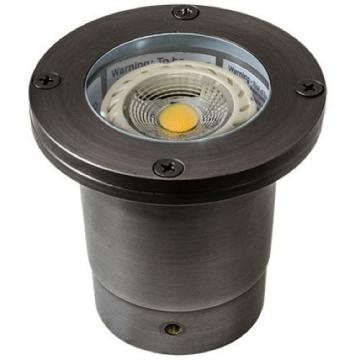
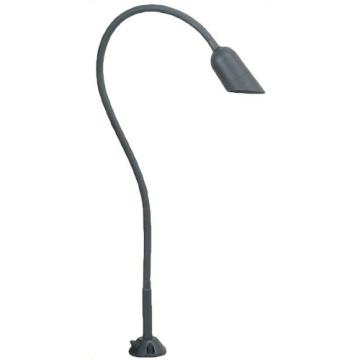
For walkways, driveways, and garden beds, path and garden lights provide the low, even light needed for safe nighttime navigation. To highlight trees, columns, or architectural features, flood and spot lights deliver focused uplighting that adds drama without overpowering the space. For flush mounted lighting in lawns, walkways, or around trees, in-ground well lights stay out of the way of foot traffic and mowing while still delivering strong vertical light.
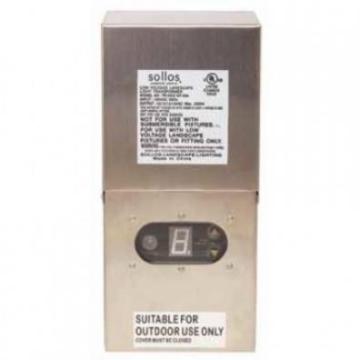
Every outdoor landscape lighting system depends on the right power setup behind it. Our landscape transformers and mounting supplies cover everything from transformer sizing to cable and connectors, so a system stays reliable from the first fixture to the last one on the run. Whether you're planning a full led landscape lighting layout for a new build or expanding an existing system, PROLIGHTING carries the fixtures and power components to build it out correctly the first time.
Landscape & Hardscape Lighting FAQs
Start with the features you want to highlight, then work outward. Path and garden lights work best along walkways, driveways, and planting beds where you need low, even light for safety and definition. Save uplighting for trees, columns, and architectural features you want to draw the eye to. Avoid lighting every element in a yard at the same intensity, since contrast between lit and unlit areas is what makes a landscape lighting layout look designed instead of scattered.
Most residential landscape lighting runs on a low voltage 12V system, which means no electrician or conduit is required in most areas. Start by mapping your fixture locations and running cable from a landscape transformer mounted near a GFCI outlet. Lay cable along the route first to confirm distances, then connect fixtures using waterproof wire connectors before burying the cable a few inches below grade. Test every fixture while the cable is still exposed, since it's far easier to fix a bad connection before it's buried.
Add up the total wattage of every fixture on the run, then size your transformer to roughly 20 percent more than that total to leave headroom for voltage drop and future fixtures. A run of ten 7 watt path lights totals 70 watts, so an 88 to 100 watt transformer keeps the system comfortably within range. Undersizing a transformer is one of the most common reasons landscape lighting looks dim or flickers at the far end of a run.
Wire gauge depends on total run length and total wattage, not just personal preference. For runs under 50 feet, 14 gauge cable is usually sufficient. Runs between 50 and 100 feet with moderate wattage typically call for 12 gauge, and anything longer or heavier loaded should step up to 10 gauge to prevent voltage drop. Thicker cable costs more upfront but protects against dim fixtures at the end of a long run, which is a common issue with landscape lighting projects done with undersized wire.
Low voltage landscape lighting cable only needs to be buried 2 to 3 inches below grade in most residential applications, since it doesn't carry the same shock risk as standard line voltage wiring. A flat blade shovel or edging tool works well for cutting a clean slit trench along the cable run. Mark the route before digging near irrigation lines, and always route cable underneath walkways and driveways through a section of conduit for protection and easier future repairs.
Landscape lighting generally uses far fewer lumens than indoor fixtures. Path and garden lights in the 50 to 150 lumen range provide enough light for safe walking without washing out the surrounding planting. Flood and spot lights used for uplighting trees or architectural features typically run 200 to 500 lumens depending on the height and size of what you're lighting. Going brighter than necessary is a common mistake, since landscape lighting is meant to create depth and mood rather than replace daylight.
LED has become the standard for landscape lighting for good reason. LED fixtures use a fraction of the wattage of halogen for the same light output, which means you can run more fixtures on a smaller transformer and replace bulbs far less often, since LEDs commonly last 25,000 hours or more compared to 2,000 to 3,000 hours for halogen. Halogen still produces a warm, familiar color that some designers prefer, but most LED landscape fixtures now match that warmth at 2700K while using a fraction of the energy.
In-ground well lights sit flush with the ground, which makes them the right choice for uplighting trees, flag poles, and architectural features in walkways or lawn areas where a standing fixture would get mowed over or become a tripping hazard. Look for a well light rated for wet locations, since these fixtures sit directly in soil or turf that holds moisture and can even take on standing water after heavy rain.
-

- 1-877-852-9373
- Live Chat
-
Live Customer Service
M-F 8:30-5:00 EST
Quick Links


Copyright © 2026 Pro Lighting Group Inc.
Prices, specifications, and images are subject to change without notice. Not responsible for typographical or illustrative errors.
Privacy Terms & Conditions
Privacy Terms & Conditions